How to Avoid Crypto Scams

Even the smartest person can fall for crypto scams. Have you ever gotten one of those messages that felt a little too urgent? “Send this now,” “double your money fast,” or “click here to fix your account”? That’s how scammers get you. They don’t hack blockchains; they hack people.
Crypto is powerful because it puts money in your hands. In Nigeria, freelancers, traders, and everyday users rely on it to get paid quickly and move value across borders. But that same power is what criminals try to exploit. That’s social engineering in crypto: tricks that pressure you into sharing keys, clicking fake links, or releasing funds too early.
If you use crypto-to-cash services, trade on P2P platforms, or even just keep coins in a crypto wallet, you need to understand how these scams work. This guide will break down the most common tactics, highlight the red flags, and share practical steps to protect your money, including how apps like Vent help you cash out safely.
Key Takeaways
- Scammers don’t hack blockchains — they hack people. That’s what social engineering in crypto is all about.
- Common tricks include fake support accounts, phishing links, pressure tactics on P2P, and “too good to be true” offers.
- Red flags: urgency, secrecy, or anyone asking for your seed phrase or private keys.
- Protect yourself by using official apps, double-checking URLs, enabling 2FA, and never releasing funds until payments clear.
- Platforms like Vent cut risk by handling conversions in-app, so you don’t need to trust random buyers or shady links.
What is Social Engineering in Crypto?
Social engineering is all about tricking people. Scammers don’t bother breaking blockchains. They focus on breaking trust. They watch how people behave online and then create fake websites, messages, or profiles that look normal.
The problem is that crypto payments can’t be reversed. Once you send money to a scammer, it’s gone.
These tricks take many shapes. You might see a fake login page for your wallet. Or a “support agent” sliding into your Telegram chat. Some pretend to be buyers on P2P platforms. Others post giveaways that look exciting but are just clickbait. The method changes, but the goal is always to make you act fast without thinking. That’s why you always have to be one step ahead of them.
Why Crypto Users in Nigeria are Attractive Targets
Nigeria ranks high in global crypto adoption. That means many people are learning to trade, cash out, or accept crypto payments.
Two factors make Nigerians especially targeted right now:
- High demand for cash-outs. People want fast, reliable ways to convert crypto to naira. That urgency creates openings for scammers.
- Rapid onboarding. New users join every day. Without basic scam awareness, they’re easier to trick.
This doesn’t mean crypto is unsafe. It means attackers favour speed and emotion. So, all you have to do to avoid falling victim is to slow down, verify, and think twice. That way, you’ll be a step ahead, and scams will look like jokes to you.
How Social Engineering Looks in Real Life
Below are the common social engineering tricks used against crypto users. Let’s break them down in simple terms so you can spot them easily.
1. Phishing Links and Fake Websites
Scammers build websites that look like real wallet apps or exchanges. The page asks you to log in or enter a seed phrase. Once you type it in, your crypto wallet is drained. Phishing also appears in emails, DMs, or ads.
2. Impersonation (fake support or VIPs)
A message from “support” on Telegram or Twitter claims there’s a problem with your account and asks for login details or a code. Real support will never ask for your seed phrase or password.
3. P2P Pressure & Fake Payment Proofs
Buyers sometimes send fake bank screenshots or false payment alerts on peer-to-peer platforms. They’ll pressure you to release crypto before the money really clears.
4. Social Media Lures and Fake Links
Scammers post giveaways or “exclusive” investment links. They play on FOMO (fear of missing out) to make you click without double-checking.
5. Romance or Friendship Scams
A stranger befriends you on social media, then asks you to “help” send crypto to a promising opportunity. They cover your eyes with love, and boom! Emotions cloud your judgment, and the scam works.
6. Admin or Invoice Scams
A false “client” asks for invoice confirmation, then requests you to log in to a bogus site to “approve” a payment. That login hands them your access.
7. QR Code Traps
Someone hands you a QR code supposedly for payment. Scanning it can open a malicious URL or auto-fill a transaction you didn’t intend to make.
Practical Steps to Protect Your Wallet and Accounts
These are simple, everyday actions that help to keep your crypto wallet safe.
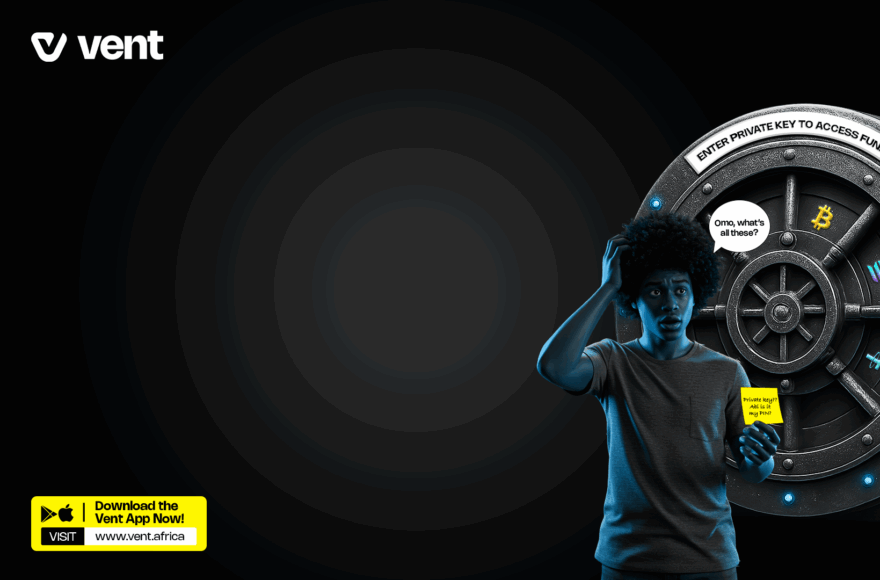
1. Never share seed phrases or private keys. No official service or support will ever ask for them.
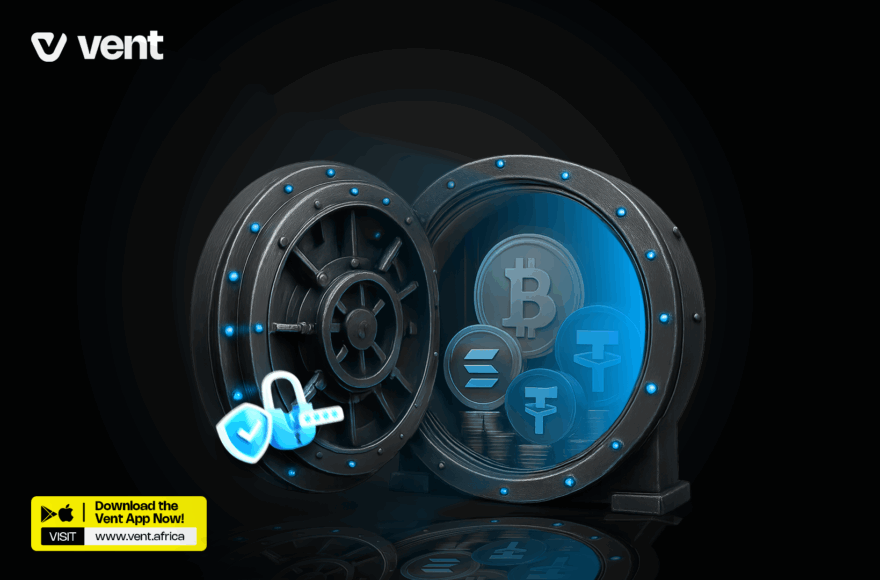
2. Use hardware wallets for large balances. Keep only small amounts in hot wallets used for trading or spending.
3. Always enable two-factor authentication (2FA). When possible, use an app like Google Authenticator.
4. Verify URLs and app stores. Download apps only from official stores and the official website.
5. Turn off wallet auto-signing features. Don’t allow sites to auto-sign transactions without clear approval.
6. Check the transaction before approving it. Verify the amounts, recipient addresses, and gas fees.
7. Keep software up to date. Wallets, browsers, and OS updates often patch security flaws.
8. Use separate emails and passwords for crypto accounts. A breach in a random site shouldn’t expose your wallet.
9. Educate your circle. Warn clients and colleagues about scams so they don’t unintentionally expose you.
How Using a Trusted Crypto-to-Cash App Reduces Risk
Converting crypto to naira through a reputable app cuts many attack paths. Why?
- All-in-one flow: If you receive crypto and cash out inside the same app, you avoid hunting for buyers or relying on strangers.
- Official support channels: Verified in-app help reduces the chance of fake “support” messages.
- Transparent rates and receipts: No surprise links or external payment pages.
- Better dispute resolution: Reputable apps have processes to handle suspicious trades.
That said, using an app like Vent doesn’t replace personal caution. Always confirm your wallet address and network, check rates before selling, and don’t click outside links sent to you.
What to Do if You Think You’ve Been Targeted or Scammed
1. Stop interacting with the scammer. Do not approve more requests or send more money.
2. Change passwords and secure your accounts. Revoke access tokens where possible.
3. Move your remaining funds to a secure wallet. For large sums, use a hardware wallet.
4. Inform your bank if any bank transfers were involved; they may help trace suspicious activity.
5. Warn your network. A quick post or message can prevent the same scam from reaching others.
Remember: recovery is hard, but quick action can limit damage.
Final Thoughts
Social engineering works by rushing people and playing on trust. The best way to stay safe is to take your time, confirm details, and use trusted apps like Vent. When changing crypto to naira, Vent makes it safer because you can receive, convert, and cashlout all in one place.
Your money is only safe when your habits are safe. Treat every unexpected message, link, or “too-good” offer with suspicion. Use official apps, enable 2FA, keep keys private, and always confirm payments before releasing crypto.
If you use a platform like Vent to convert crypto to cash, make sure you’re on the official app or website, compare the live rate, and follow the safety steps above. That combination, a trusted platform plus cautious behaviour, is the best defence against social engineering in crypto.