Vent Blog
Learn, stay informed & chill

Learn, stay informed & chill
Learn, stay informed & chill

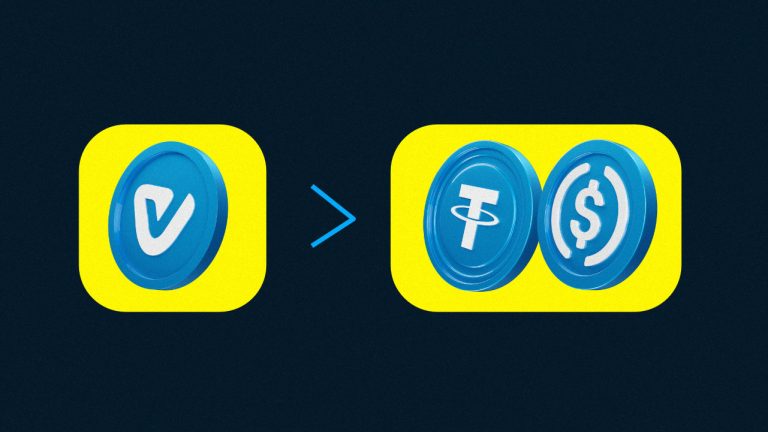
Let’s say you just wrapped up a big freelance project, and your client wants to send your payment in crypto. Now it’s decision time: should you accept USDT or USDC? These two stablecoins are being used more than ever by Nigerians to receive crypto payments in 2026, but which one should you choose? Is USDT the right option because it’s more accepted, or should you go for USDC with its reputation for transparency and security?
In this article, we’ll explore both options, comparing their stability, transaction speeds, and security features, so you can decide which one works best for you. Whether you’re a designer, developer, or a content creator, understanding the differences will help you get paid faster, safer, and with fewer headaches.
Let’s start by breaking down what USDT and USDC are. At their core, both are stablecoins designed to maintain a $1 USD value. But there are some essential differences to note, especially for remote workers and those who rely on them for payments.
USDT (Tether) is by far the most popular stablecoin, widely accepted across exchanges and platforms. It’s great for remote workers who want easy liquidity and fast access to their funds. However, it has faced controversy over the auditing of its reserves, leading some to question its transparency.
On the other hand, USDC (USD Coin) is a stablecoin known for its transparency. It’s regularly audited by trusted firms, making it a safer option for those who care about the security and accountability behind their crypto. While USDC is gaining popularity, especially among businesses and institutions, it’s not as widely used as USDT just yet.
Receiving crypto payments is an easy, modern solution to getting paid across borders. But deciding which stablecoin is better for you depends on a few key factors. If you’re someone who works remotely for global clients, you probably want fast and secure transactions that don’t come with the risk of losing value due to volatility.
Both USDT and USDC offer stablecoin benefits, but understanding how each coin fits into your payment flow is vital for remote workers who want to avoid surprises. USDT is widely used, so you’ll have an easy time finding clients who prefer it. But USDC, thanks to its transparency and security, could be a better long-term choice, especially if your payments are larger or you’re holding funds for extended periods.
In 2026, the rise of stablecoins for payments means more flexibility, more security, and fewer worries about price fluctuations. But knowing which one to use can help you save time and avoid transaction hiccups.
When it comes to USDT, it’s all about liquidity and speed. USDT is widely accepted across exchanges and is the default stablecoin for many clients and platforms. If you work with clients who prefer paying in crypto, USDT is often the go-to choice because it’s easy to convert to fiat currencies like Naira or USD.
Remote workers who need to cash out quickly or handle frequent payments will appreciate how quickly USDT transactions are processed. The downside, however, is that some people are wary of the lack of transparency around Tether’s reserves. While it’s a fast and popular option, USDT doesn’t always offer the same level of audit transparency as some other stablecoins.
So, if speed and widespread acceptance are your priorities, USDT might be the best stablecoin for receiving payments in 2026.
For remote workers who value transparency and security, USDC is an excellent choice. Unlike USDT, USDC is regularly audited and has fully backed reserves, so you can rest easy knowing your crypto is backed by real USD. This makes USDC an excellent option for those who prefer working with stablecoins that are fully compliant with financial regulations.
Since a transparent audit system backs USDC, it’s a great option if you’re looking to store funds long-term or ensure your payments are secure. Many remote workers who want peace of mind when receiving large payments or holding crypto long-term choose USDC for its stability and security.
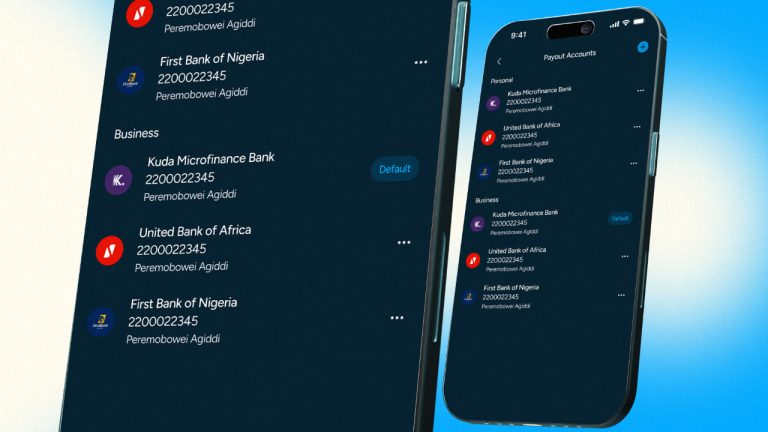
With Vent, you can receive USDT or USDC and either cash out immediately or keep it in your wallet. It depends on what you need at the time.
Here’s how to do it:
Download the Vent app and set up your account. This takes less than two minutes. We’ve put together a guide to help you with the process.
At the top of your homepage, select how you want to receive your funds:
Open the Vent app and go to the “Trade” section. Select USDT or USDC, then tap “Generate Address”. This creates a wallet address for your payment.
Copy the wallet address and share it with your client. Make sure they’re sending the correct coin and using the right network.
Once your client sends the funds, the transaction will be processed based on the mode you selected.
If you’re on EasyPay, the Naira goes straight to your bank account. If you’re using SafeWallet, your balance stays in your wallet until you decide to withdraw or convert it.
This way, you can decide whether you want instant cash or prefer to hold your funds and use them later.
To stay safe while getting paid in crypto, here’s what you need to do:
Keeping your crypto safe mostly comes down to small habits like these. It’s best to understand how crypto wallets work in order to avoid making mistakes and losing your crypto.
USDT is more widely accepted in Nigeria, making it ideal for fast payments. However, USDC is a safer choice if you’re concerned about transparency and auditing.
Yes! Both USDT and USDC can be easily converted to Naira on exchanges like Vent. use this space for describing your block.
USDC is generally more secure due to its regular audits and backing by a fully transparent system.
Consider using wallets such as Trust Wallet, MetaMask, or Coinbase to store both USDT and USDC securely. use this space for describing your block.
In the end, choosing between USDT and USDC depends on your freelance payment needs. USDT is great for those who need fast payments and liquidity, while USDC offers peace of mind for those who value security and transparency.
If you work with clients in countries where USDT is more commonly used, it might be the better option. But if you prefer security and long-term peace of mind, USDC could be your go-to stablecoin.
Choose the stablecoin that works for you and download the Vent app to cash out your freelance payments in seconds.