Vent Blog
Learn, stay informed & chill
Learn, stay informed & chill
Learn, stay informed & chill
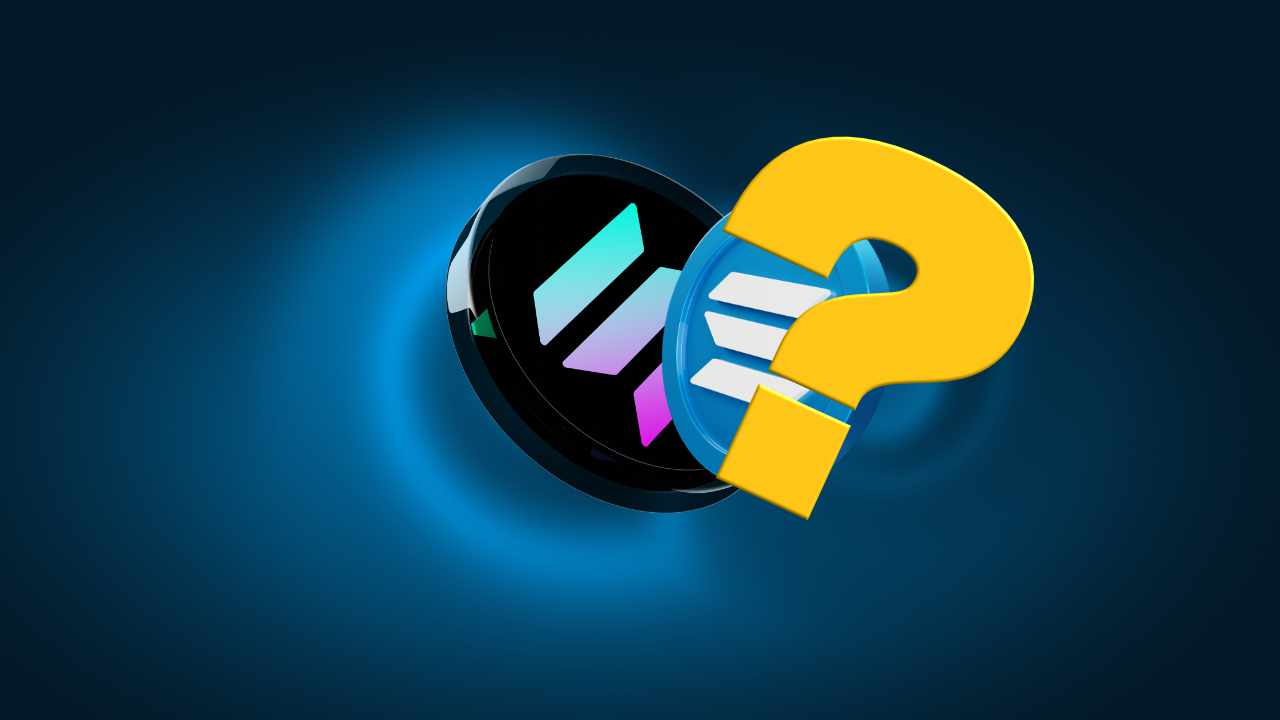
Before you buy, sell or swap Solana (SOL), it helps to understand what it is, how it works and what you can do with it. If you already know a little about Bitcoin or Ethereum, learning about Solana will help you understand another part of the crypto market.
Solana is known for its fast transactions and relatively low network fees. It also supports applications that let people trade digital assets, stake crypto and interact with blockchain-based services.
But what makes Solana different, and what should you know before using SOL? In this guide, we’ll explain how Solana works, what SOL is used for, how staking works, the network’s benefits and the risks to consider before getting started.
Solana is a public blockchain network that allows people to send digital assets and use blockchain-based applications without relying on a single organisation to maintain the transaction record. Think of a blockchain as a shared digital record book. Instead of one company keeping and controlling every record, a network of computers helps verify transactions and maintain the record of what happens.
Solana is designed to process transactions quickly and support applications that need to handle frequent activity. Developers can build services on the network, while individuals can use compatible wallets to send, receive and manage digital assets.
For example, you could use a decentralised exchange built on Solana to swap one cryptocurrency for another. You could also interact with a blockchain game or purchase a digital collectible through a compatible application. The important thing to understand is that Solana is the network, while SOL is its native cryptocurrency. They are connected, but they are not the same thing.
SOL is the cryptocurrency that powers activities on the Solana network. You can use it to pay for transactions, delegate tokens to validators for staking and interact with supported applications.
Here are the main uses of SOL:
You generally need a small amount of SOL to pay the network fee when sending SOL or interacting with applications on Solana. Even if you are transferring another token on the network, you may need SOL to cover the transaction fee.
SOL holders can delegate their tokens to validators that help operate and secure the network. Eligible participants may receive staking rewards, although the amount varies and returns are not guaranteed.
SOL can be used to interact with supported applications, including decentralised exchanges and other services within the Solana ecosystem.
You can transfer SOL between compatible wallets or use platforms that support the cryptocurrency.
Some people also buy SOL in the hope that its market price will increase. However, there is no guarantee of a profit. SOL’s value can change considerably depending on market demand, investor sentiment and developments affecting the crypto industry.
Let’s say you want to send SOL to a friend. You open your crypto wallet, enter your friend’s Solana address, choose how much to send and approve the transaction. Your wallet uses your private key to authorise the transfer.
The transaction is then submitted to the Solana network. Validators help process transactions and participate in the process of agreeing on the network’s records. Once the transaction is confirmed, the blockchain reflects the updated balances.
Three important parts of Solana’s technology help make this possible.
Proof of Stake is a system blockchain networks use to help agree on transactions and maintain network security.
On Solana, validators run computers that process transactions and participate in the network’s consensus process. SOL holders can delegate their tokens to validators, contributing to the stake associated with those validators.
Eligible participants may receive rewards for staking, after accounting for validator commissions and other applicable factors.
However, staking is not a guaranteed way to make money. Rewards can change, and the value of the SOL you hold can fall even when you earn additional tokens.
Proof of History (PoH) is one of Solana’s distinctive technologies. It provides a verifiable sequence of events that helps the network coordinate the order in which transactions and other activities occur.
Imagine several people working on the same project. If they constantly need to stop and agree on when every action happened, their work could slow down. Having a reliable way to establish the sequence of events makes coordination easier.
Proof of History serves a similar purpose by using cryptographic techniques to establish the order and passage of time between events. It works alongside Solana’s consensus system rather than replacing Proof of Stake.
Together, these technologies help Solana coordinate activity across the network.
Solana supports on-chain programmes, which perform tasks according to instructions written in software. These are often discussed alongside smart contracts, the term commonly used across the wider crypto industry.
For example, a decentralised exchange can use on-chain programmes to facilitate token swaps. A lending application can use them to manage deposits, borrowing and repayments.
People can interact with supported applications through compatible wallets without depending on a traditional intermediary to process every operation.
However, decentralised applications are not automatically safe. Software vulnerabilities, fraudulent projects and poorly designed services can still put your funds at risk.
Solana supports several activities beyond simply buying and holding SOL. Its blockchain infrastructure is used for digital asset transfers, decentralised finance, collectibles and other applications.
You can use Solana to transfer SOL between compatible wallets. The network also supports other digital tokens, allowing people to send and receive assets created on Solana.
This can be useful when moving crypto between personal wallets or interacting with platforms that support Solana-based assets.
Before sending anything, check that the receiving wallet supports the exact token and network you intend to use. Two tokens with similar names do not necessarily operate on the same blockchain.
Decentralised finance, commonly called DeFi, refers to financial services built using blockchain technology.
Solana supports decentralised exchanges, lending platforms and liquidity services. Depending on the application, you may be able to swap tokens, supply assets to liquidity pools or interact with lending protocols.
These activities come with risks, including price fluctuations, software vulnerabilities and potential financial losses. Research any application before connecting your wallet or committing funds.
Solana supports non-fungible tokens (NFTs), which are distinct digital tokens that can represent collectibles, game items, artwork and other assets.
However, purchasing an NFT does not automatically give you copyright ownership of the artwork it represents. Your rights depend on the terms attached to that particular asset.
Developers can build games and other applications on Solana. These may allow players to use digital tokens, trade in-game items or interact with other blockchain-based features.
The experience depends on the application. Before connecting your wallet or spending money, check the project’s credibility and understand what you are agreeing to.
Every Solana transaction requires a network fee paid in SOL. This fee compensates the network for processing the transaction and generally includes a base fee, with an optional prioritisation fee when applicable.
One reason Solana attracts attention is that many ordinary transactions cost relatively little. This can make the network useful for applications that involve frequent transfers.
However, your total cost may depend on what you are doing. Some transactions involve additional fees, and creating certain token accounts can require extra funds.
For example, if you send SOL to a friend, you need enough SOL to cover both the amount you want to transfer and the network fee. If you are sending another token on Solana, you will generally need a small SOL balance to pay the fee.
It is also important to distinguish between network fees and platform fees. A crypto exchange may charge separate fees when you buy, sell, convert or withdraw your assets.
In some cases, a transaction can fail while the network fee is still charged. Always review the transaction details before confirming.
Staking allows SOL holders to participate in supporting the Solana network while potentially earning rewards.
Rather than leaving all your SOL unstaked, you can delegate eligible tokens to a validator. The validator participates in the network’s operations, while you may receive staking rewards according to the applicable rules and validator commission.
The general process looks like this:
1. Choose a compatible wallet. Make sure it supports SOL staking.
2. Select a validator. Review its performance, commission and reliability before delegating your tokens.
3. Delegate your SOL. Follow your wallet’s instructions to stake the amount you choose.
4. Monitor your stake. Check your staking status, rewards and any applicable activation or deactivation periods.
Staking rewards vary according to network conditions, the amount of SOL staked across the network, validator performance and commission rates. They are not fixed returns.
For example, imagine you stake SOL and receive additional tokens as rewards. If SOL’s market price falls sharply, the total value of your holdings could still decline despite earning more SOL.
You should also consider how quickly you may need access to your funds, as unstaking can involve a waiting period.
Solana has several features that appeal to crypto users and developers.
Solana is designed to process transactions efficiently, making it suitable for applications where people expect quick responses. Actual transaction confirmation times and application performance can vary depending on network conditions.
Many ordinary transactions on Solana cost relatively little. This can make frequent transfers and certain blockchain applications more accessible than on networks where fees may be higher.
However, fees depend on the type of transaction and any additional services involved, so check the amount before confirming.
Solana supports different types of blockchain applications, including decentralised exchanges, financial services, digital collectibles and games.
This gives people several ways to interact with the network beyond holding SOL.
Solana is a public blockchain, so people with internet access and compatible wallets can interact with its services without opening a traditional bank account specifically for the network.
However, buying SOL, converting it into local currency and accessing other services may require a third-party platform. Availability depends on the provider’s requirements and applicable regulations.
Solana has useful features, but understanding its risks is just as important as knowing its benefits.
Like other cryptocurrencies, SOL is volatile. Its market price can rise or fall sharply because of investor sentiment, demand, regulatory developments and wider economic conditions.
If you buy SOL and its price drops, you could lose money when you sell. There is no guarantee that the price will recover.
Solana has experienced network disruptions in the past. Outages or periods of reduced performance can affect transactions and access to applications.
If you rely on a blockchain service for time-sensitive activities, network reliability is worth considering.
Fake tokens, phishing websites, fraudulent investment schemes and malicious applications can target Solana users.
An application is not trustworthy simply because it operates on an established blockchain. Be cautious about unfamiliar projects, promises of guaranteed profits and requests to connect your wallet.
Never share your private keys or recovery phrase. Avoid signing transactions you do not understand.
Blockchain transactions generally cannot be reversed simply because you made a mistake.
If you send crypto to the wrong address or use an incompatible network, you may lose access to your funds permanently. Always verify the destination address, asset and network before confirming a transfer.
Staking rewards can fluctuate, and your tokens may not be immediately available when you want to move them.
You should also consider validator performance, commission rates and SOL’s market price. Earning additional tokens does not guarantee that your investment will increase in value.
If you want to buy SOL, start by choosing a trusted crypto platform that supports the asset and is available in your location.
Here is the general process.
1. Choose a platform. Confirm that it supports SOL purchases and withdrawals in your location.
2. Create and verify your account. Complete any identity checks the platform requires.
3. Buy SOL. Review the exchange rate, fees and total amount before confirming your purchase.
4. Choose where to store your SOL. Depending on your needs, you can keep it on the platform or transfer it to a compatible self-custody wallet.
5. Secure your holdings. Protect your recovery phrase, enable available security features and verify every transfer.
If you use a self-custody wallet, you are responsible for protecting your private keys or recovery phrase. Losing access to them can mean losing access to your funds.
If you keep SOL on a third-party platform, you also take on risks associated with that provider, including potential withdrawal restrictions or security problems.
Before withdrawing SOL, confirm that the destination supports the Solana network. Never assume that an asset with the same name or ticker is supported across every blockchain.
Whether SOL is suitable for you depends on your financial situation, risk tolerance and investment goals. Some people buy SOL because they believe demand for the Solana network and its applications may grow. Others trade it to benefit from short-term price movements or use it to access services within the ecosystem.
However, a useful blockchain does not automatically make its cryptocurrency a profitable investment. SOL’s market price can fall even while the network continues to develop, and past performance does not guarantee future returns.
Before investing, consider the following.
If you are new to crypto, focus on understanding SOL before deciding whether to buy it. You do not need to invest simply because a cryptocurrency is popular.
No. Solana is the blockchain network, while SOL is its native cryptocurrency. SOL is used to pay network fees, participate in staking and interact with supported applications.
They serve different purposes. Bitcoin is widely known as a decentralised digital currency and a potential store of value, while Solana supports digital asset transfers and a broader range of programmable blockchain applications.
Neither is automatically better for everyone. The right choice depends on your goals and how much risk you are willing to take.
It is possible to make money by trading SOL, selling it after a price increase or earning staking rewards. However, none of these outcomes is guaranteed. You can lose money if prices fall or an activity goes wrong.
Solana’s architecture is designed to process transactions efficiently, helping keep many ordinary network fees low. Costs can still vary depending on the transaction, network conditions and optional prioritisation fees.
Solana provides the infrastructure for blockchain transactions and applications, but your safety also depends on the wallet, exchange or application you use and how you protect your funds.
Price volatility, scams, software vulnerabilities and transaction mistakes remain important risks.
You may be able to access SOL through crypto platforms that support the asset and are available to Nigerian customers, subject to their requirements and applicable regulations.
Before using a platform, check its availability, fees, withdrawal options and verification requirements.
Solana is a blockchain network designed for efficient transaction processing, with support for digital asset transfers, decentralised applications and staking. Its native cryptocurrency, SOL, is used to pay network fees and participate in activities across the ecosystem.
If you are new to crypto, take your time to learn the basics, research platforms before using them and never let market hype replace careful decision-making.
When you are ready to explore crypto, Vent can help you manage and convert supported digital assets through its available services.