Vent Blog
Learn, stay informed & chill

Learn, stay informed & chill
Learn, stay informed & chill
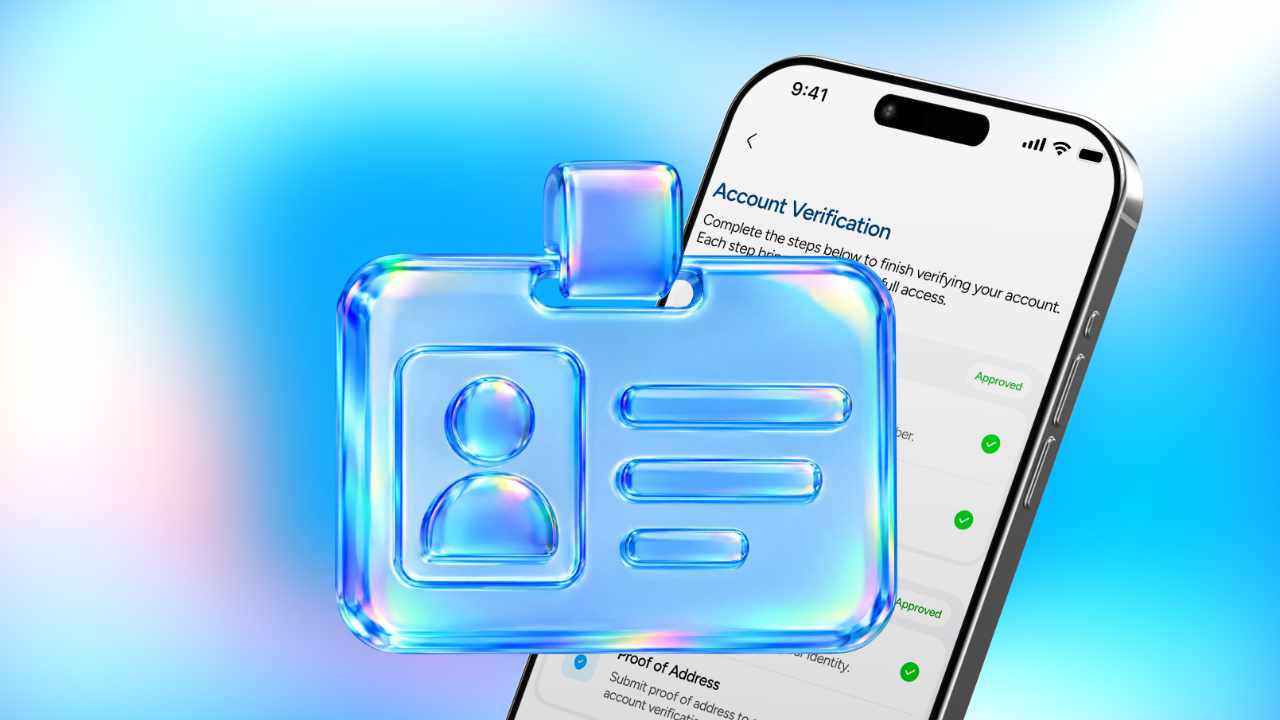
Imagine you have just downloaded a crypto app because you want to buy digital assets, receive payments from a client abroad or convert your crypto into naira. You create an account, enter your details and prepare to get started, only to discover that you need to verify your identity before accessing certain features.
That process is called Know Your Customer (KYC), and it is a common part of using many crypto exchanges and financial services. If you are new to crypto, being asked to submit your personal information might seem like an unnecessary hurdle. However, identity verification helps platforms establish who their customers are, detect suspicious activity and meet applicable regulatory requirements. It can also help protect against certain forms of identity fraud, although it does not eliminate every security risk.
So, what exactly does KYC mean in crypto, which documents might you need in Nigeria, and what should you know before submitting your information? Let’s break it down.
KYC is the process of verifying a customer’s identity before or during access to certain financial services. In the crypto industry, exchanges, trading platforms and other providers may use KYC to confirm that the person opening an account is who they claim to be.
The information requested depends on the platform and the service you want to use. You may be asked to provide your full name, date of birth, phone number, identity document or a photograph of yourself. Some providers may also request additional information to establish your residential address or understand the nature of your transactions.
For example, imagine you receive payments in cryptocurrency from international clients. You decide to use a crypto platform to sell those assets and withdraw the proceeds to your bank account. The platform may require you to complete identity verification before allowing you to access that service.
The important thing to understand is that KYC is about establishing your identity, not assessing whether a cryptocurrency is a good investment. It does not tell you whether SOL, Bitcoin or another digital asset will increase in value, and it does not eliminate the risks associated with using crypto.
Completing your KYC on Vent is straightforward, and the process is divided into three verification levels. Each level gives you access to additional features, depending on how you intend to use the app.
Here’s a quick overview:
Start by submitting your Bank Verification Number (BVN) through the Account Verification section of your Vent profile. Once approved, you can access EasyPay and SafeWallet for crypto-to-cash conversions and vUSD storage.
The next level requires you to submit a valid government-issued identity document and complete a selfie verification. This level enables withdrawals of supported stablecoins, including USDT and USDC, to external wallets.
For higher deposit and transaction limits, you’ll need to complete Level 3 verification by submitting an accepted proof-of-address document.
Need Help Completing Your Verification?
We’ve put together a detailed guide showing you exactly how to complete each verification level on Vent, from submitting your BVN to uploading your identity document and proof of address.
Read our step-by-step guide to setting up and verifying your Vent account.
KYC serves several purposes, from helping platforms identify their customers to supporting measures against financial crime.
A person attempting to open an account with stolen or fabricated identity details may find it harder to pass a properly implemented verification process. While KYC is not foolproof, it gives providers a way to check whether submitted information matches the applicant’s claimed identity.
Money laundering involves disguising the origins of money obtained through criminal activity. Financial service providers may use customer identification alongside transaction monitoring and other controls to help detect suspicious activity.
KYC is one part of this wider process, not a complete solution on its own.
Depending on the jurisdiction, the provider and the service being offered, regulations may require businesses to identify customers, keep certain records or monitor transactions.
This is one reason verification requirements can differ between platforms. A provider’s obligations depend on the activities it conducts and the rules that apply to it.
Verified identity information may help a provider investigate account access issues or assess certain recovery requests. However, KYC does not prevent every account takeover, phishing attempt or cyberattack.
You still need to protect your password, secure your email account and use any available security features.
If you’re signing up for Vent, you’ll need to complete identity verification before accessing certain features. The verification process is divided into three levels, and each level requires different information or documents depending on the services you want to use.
Here’s what you should prepare:
Your BVN is required for Level 1 verification on Vent. It helps confirm your identity through Nigeria’s banking identity system.
You’ll need your 11-digit BVN, first name and surname to complete this stage. Once your BVN is successfully verified, you can access features such as EasyPay and SafeWallet.
For Level 2 verification, you’ll need a valid government-issued identity document. This is used to confirm that the person registering on Vent matches the identity details submitted.
You’ll also need to complete a selfie verification as part of the process. Make sure your document is clear, valid and easy to read before uploading it.
Level 3 verification requires proof of your residential address. You’ll need to provide an accepted document showing your address and submit the relevant details through the verification process.
Completing this level gives you access to higher deposit and transaction limits on Vent.
Keep your identity details accurate and make sure any document you submit is clear and valid. Most importantly, complete your verification through Vent’s official app and never send sensitive information to an unknown person through WhatsApp, Telegram or social media.
Your crypto journey should be simple, and keeping your account information safe is part of making that happen. With Vent, you’re in good hands.
KYC and Anti-Money Laundering (AML) are closely related, but they do not mean the same thing.
KYC focuses on establishing who the customer is. It involves collecting and verifying identity information, and sometimes gathering further details about the customer.
AML refers to the broader measures used to prevent, detect and respond to money laundering. These measures may include customer checks, transaction monitoring, record-keeping, internal controls and reporting suspicious activity where required.
Think of KYC as one part of a larger system. A platform may verify your identity when you register and continue monitoring transactions under its applicable policies and legal obligations.
This distinction matters because completing KYC does not mean every future transaction will automatically be approved. A provider may still request additional information or review activity that triggers its monitoring procedures.
KYC can help platforms verify identities, but the process involves sensitive personal information that should be handled carefully.
Before submitting your documents, take the following precautions.
Download the official app or enter the provider’s verified website address rather than following suspicious links sent through social media or messaging apps.
Check how the provider collects, uses, stores and shares personal information.
Do not send identity documents to an individual who promises to complete KYC for you.
Use a strong, unique password and enable additional security measures where available.
Fraudsters may impersonate support staff and claim that your account will be blocked unless you provide sensitive details urgently.
Most importantly, KYC should never require you to disclose your wallet’s private key or recovery phrase. These credentials control access to a self-custody wallet and should remain secret. If a person or website requests them as part of identity verification, treat that as a serious warning sign.
Yes, some crypto activities can be carried out without submitting identity documents to a centralised service, but the answer depends on what you want to do.
For example, creating a self-custody wallet may not require the same identity checks used by a centralised exchange. Such a wallet allows you to manage your blockchain assets using your private keys or recovery phrase.
However, using that wallet to interact with a particular exchange, payment provider or other financial service may trigger separate verification requirements. A provider may also restrict access based on its policies or applicable laws.
It is therefore important to distinguish between using a wallet and using a platform that offers buying, selling, conversion or withdrawal services.
Do not assume that a service is unlawful simply because it does not request KYC, or that a service is legitimate simply because it does. Assess the provider, its security practices and the rules that apply to the activity.
Verification times vary by platform. Some applications are processed quickly, while others require manual review or additional documents. Follow the provider’s instructions if your application remains pending.
Yes. A provider may reject an application if the documents are unsupported, expired, unclear or inconsistent with the information submitted. It may also decline an application for other reasons under its policies and applicable rules.
No. You can still experience price losses, scams, transaction errors, account compromise or platform failures after verification. KYC does not remove these risks.
Not necessarily. Requirements depend on the service, provider and applicable rules. Some platforms require verification to access particular services, while a self-custody wallet may allow certain activities without the same registration process. Check the current requirements that apply to your specific activity.
No. You can still experience price losses, scams, transaction errors, account compromise or platform failures after verification. KYC does not remove these risks.
KYC is a common part of using crypto exchanges and other financial services because it helps establish customer identities and supports wider efforts to prevent financial crime. Knowing how it works can make the verification process less confusing and help you prepare the correct documents.
At the same time, identity verification requires you to share sensitive information, so choosing a legitimate provider and protecting your details should remain a priority.
Before completing KYC, confirm that you are using an official platform, understand what information it needs and never disclose your wallet’s private keys or recovery phrase.
Explore Vent and its available services, and follow the verification requirements presented through the official app.